Cold Watch

Real Time Monitoring

  • Home
  • About Us
  • Products
  • Services
  • Gallery
  • Media
    • Blog
    • Newsletter
    • Videos
  • Legal
    • Delivery Policy
    • FAQs
    • Privacy Policy
    • Refund & Returns Policy
    • Terms & Conditions
  • Contact Us

Cold Watch and the Future of Temperature-Controlled Packaging: A Perfect Partnership

27/03/2025 By Madelize Botha

temperature controlled packaging cold watch

Cold Watch and the Future of Temperature-Controlled Packaging: A Perfect Partnership

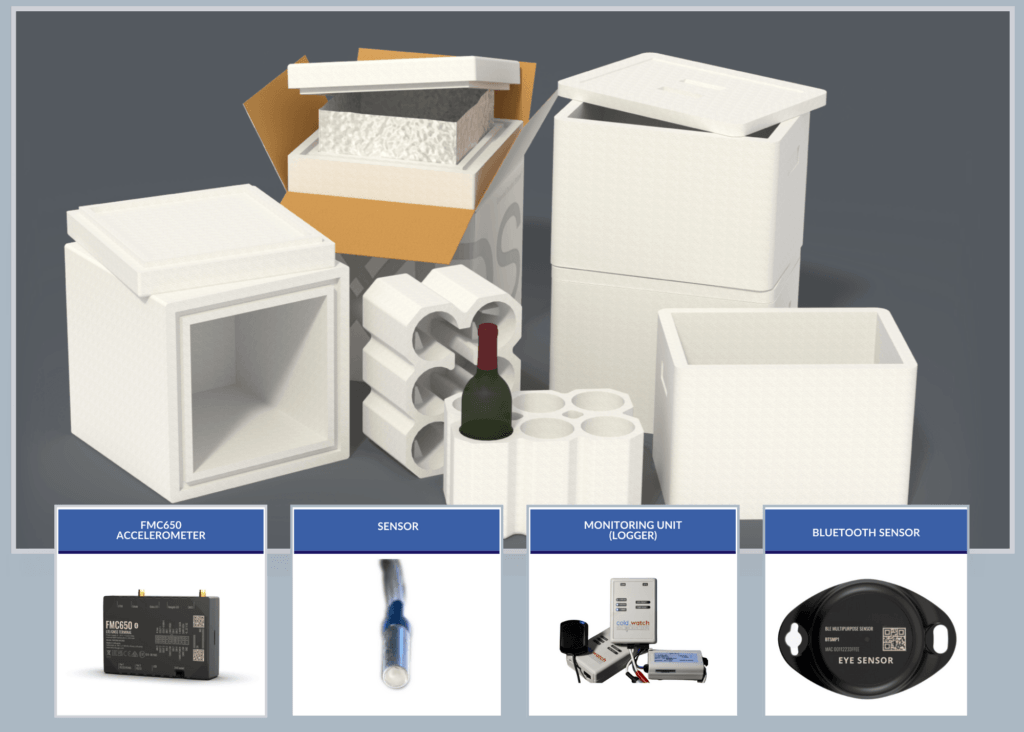
The cold chain is a complex and delicate ecosystem, where maintaining the integrity of temperature-sensitive goods is paramount. From pharmaceuticals and fresh produce to high-tech electronics, countless products rely on precise temperature control throughout their journey from origin to consumer. While robust infrastructure and efficient logistics play a crucial role, the unsung hero of the cold chain is often the packaging itself. And now, thanks to innovative monitoring technologies like Cold Watch, temperature-controlled packaging is entering a new era of intelligence and effectiveness.

Traditional temperature-controlled packaging, while essential, often operates in a “black box.” Once a shipment is sealed, visibility into the internal environment is limited, making it difficult to detect potential temperature excursions and take corrective action. This is where the synergy between advanced packaging and real-time monitoring comes into play. Cold Watch technology seamlessly integrates with the latest advancements in temperature-controlled packaging, creating a powerful combination that enhances product safety, reduces waste, and optimises the entire cold chain.

The Evolution of Temperature-Controlled Packaging:
The world of temperature-controlled packaging is undergoing a rapid transformation, driven by the need for greater performance, sustainability, and visibility. Some key trends include:

  • Advanced Insulation Materials: Forget bulky and inefficient materials. Today’s packaging uses cutting-edge insulation like Vacuum Insulated Panels (VIPs), aerogels, and Phase Change Materials (PCMs). These materials offer superior thermal performance, maintaining desired temperatures for extended periods and minimising the need for excessive refrigerants.
  • Intelligent Cooling Technologies: Beyond traditional gel packs and dry ice, innovative cooling solutions are emerging. Eutectic plates, which freeze and release thermal energy, offer consistent temperature regulation. Even more exciting are emerging electric cooling systems integrated directly into packaging, providing active temperature control and remote adjustability.
  • Sustainable Packaging Solutions: The pressure to reduce environmental impact is pushing the industry towards more sustainable options. Biodegradable and recyclable materials are gaining traction, along with packaging designs that minimise waste and optimise resource use.


Cold Watch: Adding Intelligence to the Equation:

While advanced packaging provides the physical barrier against temperature fluctuations, Cold Watch provides the crucial element of insight. Integrating Cold Watch sensors with these advanced packaging solutions creates a network of intelligent, connected containers. This integration allows for:

  • Real-time Data Integration: Cold Watch sensors embedded within the packaging provide a constant stream of data on temperature, humidity, and even location. This data is transmitted wirelessly to a cloud-based platform, giving stakeholders a complete and up-to-the-minute view of product conditions.
  • Proactive Alert Systems: Cold Watch is not just about monitoring; it is about action. The system can be configured to send alerts via SMS, email, or app notifications the moment temperatures deviate from pre-defined thresholds. This allows for immediate intervention, preventing spoilage and minimising losses.
  • End-to-End Traceability: Cold Watch tracks the journey of each shipment, providing a detailed history of its environmental conditions. This traceability is essential for quality control, regulatory compliance, and even investigating the root cause of any temperature excursions.
  • Data-Driven Optimisation: The wealth of data collected by Cold Watch can be analysed to identify trends, optimise routes, and improve packaging design. This data-driven approach allows businesses to continuously refine their cold chain operations for maximum efficiency and cost-effectiveness.


The Benefits of Integration:

The combined power of advanced temperature-controlled packaging and Cold Watch technology offers a range of compelling benefits:

  • Enhanced Product Safety: Real-time monitoring and proactive alerts minimise the risk of temperature-related damage, ensuring product safety and quality.
  • Reduced Waste: By preventing spoilage, businesses can significantly reduce waste, leading to cost savings and a more sustainable operation.
  • Improved Efficiency: Data-driven insights enable optimised logistics, reducing transit times and improving overall supply chain efficiency.
  • Strengthened Compliance: Detailed temperature records provide verifiable evidence of compliance with regulatory requirements, simplifying audits and minimising risk.
  • Increased Customer Trust: Demonstrating a commitment to product safety and quality builds customer trust and strengthens brand reputation.


The future of the cold chain is intelligent, connected, and sustainable. By integrating Cold Watch technology with the latest advancements in temperature-controlled packaging, businesses can unlock new levels of visibility, control, and efficiency, ensuring the safe and timely delivery of temperature-sensitive goods in an increasingly demanding world.

Filed Under: Cold Chain Monitoring

Maintaining Cold Chain Integrity: The Essential Role of Policy and Technology

28/02/2025 By Madelize Botha

cold chain integrity coldwatch

Maintaining Cold Chain Integrity: The Essential Role of Policy and Technology

A robust cold chain management policy is the cornerstone of ensuring the safety and quality of temperature-sensitive products. This policy, coupled with effective technology like Cold Watch, creates a comprehensive system for managing the complexities of the cold chain.

The Importance of a Well-Defined Cold Chain Management Policy
A comprehensive cold chain management policy provides a framework for all stakeholders involved in handling temperature-sensitive goods. It outlines procedures, responsibilities, and protocols to minimise risks and maintain product integrity. Key elements of such a policy include:

  • Scope and Objectives: Clearly defines the policy’s purpose, scope, and objectives, specifying the products, processes, and stakeholders involved.
  • Roles and Responsibilities: Outlines the duties of all personnel involved in the cold chain, from management to logistics and quality control.
  • Temperature Monitoring and Control: Defines required temperature ranges, monitoring equipment, calibration procedures, and protocols for handling temperature excursions.
  • Storage and Handling Procedures: Specifies procedures for receiving, storing, handling, and dispatching products, including storage requirements and cleaning protocols.
  • Transportation Procedures: Outlines temperature requirements for transport, loading/unloading procedures, and monitoring protocols during transit.
  • Contingency Planning: Details procedures for managing unexpected events like equipment failures or power outages.
  • Documentation and Record Keeping:Specifies required records, storage procedures, and data retention policies.
  • Training and Education: Outlines training programs for personnel involved in the cold chain.
  • Audits and Inspections: Specifies the frequency and scope of audits and procedures for addressing non-compliance.
  • Policy Review and Updates: Defines the frequency and process for reviewing and updating the policy.


When to Review, Sign, and Date Your Policy:

A cold chain management policy should be a living document, regularly reviewed, and updated to reflect changes in regulations, best practices, and technology. Specifically, it should be reviewed, signed, and dated:

  • At least annually: To ensure it remains current.
  • Whenever there are significant changes: Such as changes in regulations, equipment, processes, or product types.
  • After any cold chain breach or incident: To identify weaknesses and implement corrective actions.

The policy should be signed and dated by key personnel with responsibility for its implementation and oversight, including senior management, quality assurance, and logistics managers.

How Cold Watch Integrates with Your Cold Chain Management Policy
Cold Watch technology directly supports and enhances many aspects of a robust cold chain management policy:

  • Temperature Monitoring and Control (Supported by all Cold Watch devices with temperature sensors): Cold Watch provides real-time temperature monitoring, automated alerts for deviations, and detailed data logging, directly enforcing the policy’s temperature requirements. Calibration certificates ensure accuracy and reliability.
  • Storage and Handling Procedures (Supported by fixed location monitoring devices): Cold Watch verifies adherence to storage temperature requirements and monitors conditions during handling processes.
  • Transportation Procedures (Supported by in-transit monitoring devices with GPS): Cold Watch tracks temperature and location during transport, providing evidence of compliance and enabling rapid response to deviations.
  • Contingency Planning (Supported by devices with alert notifications and backup power): Cold Watch alerts personnel to equipment failures or power outages, triggering contingency plans. Battery backups ensure continued monitoring during power disruptions.
  • Documentation and Record Keeping (Supported by all Cold Watch devices with data logging and reporting): Cold Watch automates data logging, generating reports for compliance audits and analysis, simplifying record-keeping and minimising manual effort.
  • Audits and Inspections (Supported by data reporting features): Cold Watch provides readily available, accurate, and verifiable temperature records, streamlining audits and demonstrating compliance.


By integrating Cold Watch technology into your cold chain operations, you not only strengthen your compliance with your policy but also gain valuable insights for optimising processes, reducing waste, and improving overall efficiency. Cold Watch acts as a vital tool for implementing, monitoring, and enforcing your cold chain management policy, ensuring product integrity, and building customer trust.

Filed Under: Cold Chain Monitoring

Power Up Your Operations with Cold Watch’s Cutting-Edge Tracking Solutions

27/01/2025 By Madelize Botha

power up your operations with cold watch

Power Up Your Operations with Cold Watch's Cutting-Edge Tracking Solutions

Cold Watch offers a range of advanced GPS tracking devices to meet the diverse needs of businesses across various industries. From fleet management to asset tracking and logistics, Cold Watch’s solutions provide the precision and reliability you need to optimize your operations.

FMC130: A Versatile Tracking Solution
The FMC130 is a compact and powerful GPS tracker designed for a wide range of applications. Its key features include:

  • Robust design: Built to withstand harsh environmental conditions..
  • Advanced tracking capabilities: Real-time location tracking, geofencing, and data logging.
  • Flexible input/output: Supports various sensors and devices for extended functionality.
  • Long battery life: Ensures extended operation without frequent charging.

    Ideal applications:

  • Fleet management
  • Asset tracking
  • Logistics and supply chain

FMC230: A Rugged Tracking Device
The FMC230 is a rugged and reliable GPS tracker, perfect for demanding environments. Its key features include:

  • Robust design: IP67 water and dust resistance for harsh conditions.
  • Advanced connectivity: 4G LTE with fallback to 2G and 3G.
  • High-precision GNSS: Accurate location tracking, even in challenging environments.
  • Flexible input/output: Supports various sensors and devices for extended functionality.

    Ideal applications:

  • Fleet management
  • Asset tracking
  • Logistics and supply chain
  • Construction and mining

FMC234: A Versatile Tracking Solution
The FMC234 is a versatile GPS tracker with a range of features for diverse applications. Its key features include:

  • Real-time tracking: Monitor the location of your assets in real time.
  • Geofencing: Set up virtual boundaries to receive alerts when assets enter or exit specific areas.
  • Data logging: Store historical data for analysis and reporting.
  • External sensor integration: Collect additional data from external sensors, such as temperature, humidity, and fuel level.

    Ideal applications:

  • Fleet management
  • Asset tracking
  • Logistics and supply chain

FMC650: Advanced Fleet Management
The FMC650 is a high-performance GPS tracker designed for demanding fleet management applications. Its key features include:

  • 4G LTE connectivity: Ensures reliable communication even in remote areas.
  • High-precision GNSS: Accurate location tracking, even in challenging environments.
  • Advanced data acquisition: Collects detailed data on vehicle performance, fuel consumption, and driver behaviour.
  • Secure communication: Protects sensitive data with robust encryption.

    Ideal applications:

  • Fleet management
  • Asset tracking
  • Logistics and transportation
  • Construction and mining

In conclusion, our FMC range offers a powerful and versatile solution for a wide range of tracking and monitoring applications. By leveraging advanced technology and robust design, these devices provide reliable, accurate, and efficient performance. Whether you’re managing a fleet of vehicles, tracking valuable assets, or monitoring remote operations, Cold Watch’s FMC range has you covered.

Filed Under: Cold Chain Monitoring

Cold Chain Management: A Lifeline for Blood Banks

26/12/2024 By Madelize Botha

cold chain management a lifeline for blood banks

Cold Chain Management: A Lifeline for Blood Banks

The festive season, while a time of joy and celebration, often brings increased demand for blood donations. Blood banks play a critical role in ensuring a reliable supply of blood products for patients in need. However, maintaining the integrity of blood products requires rigorous cold chain management.

The Importance of Cold Chain Management in Blood Banks

Blood and blood products are highly perishable and sensitive to temperature fluctuations. Even minor deviations can compromise their quality and safety. Effective cold chain management is essential to:

  • Preserve Red Blood Cells: Ensuring their viability and oxygen-carrying capacity.
  • Maintain Platelet Function: Preventing platelet activation and clumping.
  • Protect Plasma Components: Preserving their clotting factors and other vital proteins.


How Cold Watch Can Help

Cold Watch offers advanced monitoring solutions to safeguard the blood supply:

  • Real-time Temperature Monitoring: Continuously track temperatures in blood storage refrigerators, freezers, and transportation vehicles.
  • Temperature Alerts: Receive instant notifications of temperature deviations, enabling prompt corrective actions.
  • Data Logging and Reporting: Generate detailed reports for compliance and analysis.
  • Remote Monitoring: Access real-time data and alerts from anywhere, ensuring 24/7 oversight.


By leveraging Cold Watch technology, blood banks can:

  • Minimise Product Loss: Reduce wastage due to temperature excursions.
  • Enhance Patient Safety: Ensure the quality and efficacy of blood products.
  • Optimise Inventory Management: Efficiently manage blood stocks to meet demand.
  • Comply with Regulatory Standards: Adhere to strict temperature guidelines and documentation requirements


Cold Watch: Your Partner in Saving Lives


Cold Watch is committed to supporting the critical role of blood banks in saving lives. By providing reliable and efficient cold chain solutions, we contribute to the well-being of countless individuals.

Together we ensure a safe and reliable blood supply for all.

Filed Under: Cold Chain Monitoring

Cold Watch: Your Shield Against Supply Chain Equipment Failures

26/11/2024 By Madelize Botha

cold watch your shield against supply chain equipment failures

Cold Watch Your Shield Against Supply Chain Equipment Failures

Equipment failures, such as malfunctioning refrigeration units or transportation equipment, are among the most common disruptions to the cold chain. These failures can have severe consequences, including product spoilage, financial losses, and damage to brand reputation.

Cold Watch offers a powerful solution to mitigate the risks associated with equipment failures. By providing real-time monitoring of temperature, humidity, and other critical parameters, Cold Watch enables early detection of anomalies and proactive measures to prevent product spoilage.

How Cold Watch Mitigates Equipment Failures:

  • Real-time Monitoring: Cold Watch sensors continuously monitor temperature and humidity levels, ensuring that products are stored and transported under optimal conditions.
  • Early Detection: Any deviations from predefined temperature or humidity ranges are immediately flagged, allowing for timely intervention before product quality is compromised.
  • Predictive Maintenance: By analysing historical data and identifying patterns, Cold Watch can help predict potential equipment failures, enabling preventative maintenance to be scheduled, and minimising downtime and disruptions.
  • Data-Driven Decision Making: Cold Watch provides valuable data that can be used to optimise maintenance schedules, improve equipment performance, and reduce the risk of future failures

Benefits of Using Cold Watch to Mitigate Equipment Failures:

  • Reduced Product Spoilage: Early detection of equipment failures helps prevent product spoilage, reducing financial losses and maintaining product quality.
  • Improved Efficiency: By identifying potential equipment issues in advance, Cold Watch enables proactive maintenance, minimising downtime and improving overall operational efficiency.
  • Enhanced Risk Management: Cold Watch provides valuable data that can be used to assess risks and implement strategies to mitigate their impact.
  • Improved Compliance: Cold Watch can help ensure compliance with industry regulations and standards, reducing the risk of fines and penalties.


By employing Cold Watch technology, businesses can proactively address equipment failures, safeguard product quality, and minimise disruptions to their supply chain.

Filed Under: Cold Chain Monitoring

  • « Previous Page
  • 1
  • 2
  • 3
  • 4
  • 5
  • 6
  • …
  • 9
  • Next Page »

CONTACT US: 24/7 CALL CENTRE

  • +27 (0) 72 291 2967
  • admin@coldwatch.co.za
  • info@coldwatch.co.za
  • Radicle Building, 5 Waterblommetjie Street, Wellington Industrial Park, Wellington, 7654, South Africa
cold watch sans
cold watch sans verified
  • Delivery Policy
  • Privacy Policy
  • Refund and Returns Policy
  • Terms and Conditions
  • Contact Us
  • Delivery Policy
  • Privacy Policy
  • Refund and Returns Policy
  • Terms and Conditions
  • Contact Us
Cold Watch Real Time Monitoring
Facebook Linkedin Instagram Blog
Copyright © 2026 Cold Watch | REAL TIME MONITORING · ALL RIGHTS RESERVED · PRIVACY POLICY