Cold Watch

Real Time Monitoring

  • Home
  • About Us
  • Products
  • Services
  • Gallery
  • Media
    • Blog
    • Newsletter
    • Videos
  • Legal
    • Delivery Policy
    • FAQs
    • Privacy Policy
    • Refund & Returns Policy
    • Terms & Conditions
  • Contact Us

Detecting Illness in Poultry: How Temperature Monitoring Systems Play a Vital Role

21/07/2023 By Madelize Botha

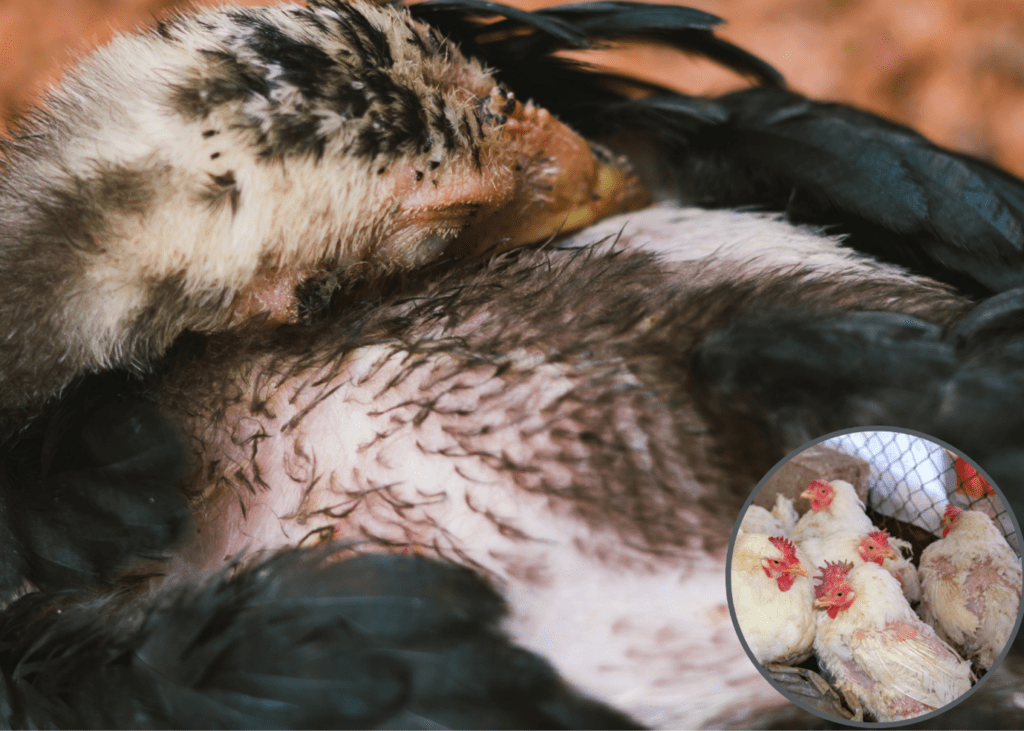
detecting illness in poultry

How Temperature Monitoring Systems Play a Vital Role

Avian flu, or avian influenza, is a viral disease that affects poultry and wild birds. Outbreaks of avian flu can occur periodically in different regions around the world, and the prevalence can vary over time. The effects of the 2023 Avian influenza outbreak in South Africa have been devastating. To date, 420 000 poultry have been culled, 1.6 million birds have been infected and the industry has suffered a loss of R34 million in revenue.

A temperature monitoring system in poultry farms can help detect illness in birds by identifying abnormal changes in body temperature. Poultry birds tend to exhibit elevated body temperatures when they are experiencing health issues or infections. By continuously monitoring the birds’ body temperatures, any significant deviation from the normal range can be an early indication of illness.

Here’s how a temperature monitoring system can detect illness in poultry:

  1. 1. Baseline Temperature Measurement:
  2. Before illness occurs, a baseline temperature is established by our air probes which determines the temperature of healthy birds. This is typically done by regularly measuring the body temperature of a sample of healthy birds within the flock. The average and acceptable range of temperatures are determined based on these measurements.
  3. 2. Continuous Monitoring:
  4. Once the baseline temperature is established, our temperature monitoring system collects and analyses real-time temperature data from individual birds or specific areas within the poultry house. This can be done using thermal sensors, infrared cameras, or even specialised ear tags or implants that measure body temperature.
  5. 3. Deviation Detection:
  6. The Cold Watch temperature monitoring system compares the current temperature readings to the established baseline or the expected temperature range. If there is a significant deviation, such as a persistent high or low temperature, it can be an indication of illness or infection in the birds.
  7. 4. Alerts and Notifications:
  8. When the temperature monitoring system detects abnormal temperature readings, it can generate real-time alerts or notifications for the farm manager or personnel responsible for bird health. These alerts can be sent via email, SMS, or through our centralised monitoring system. Prompt notifications allow for timely intervention and proper diagnosis of potential health issues.
  9. 5. Early Intervention and Diagnosis:
  10. Once alerted to a potential illness, farm personnel can closely observe the affected birds for other signs and symptoms. They can then take appropriate actions, such as isolating the sick birds, conducting further examinations, and consulting with veterinarians to diagnose and treat the illness.


It is important to note that while temperature monitoring systems can provide early indications of illness, they are not definitive diagnostic tools. Other clinical signs and diagnostic tests are typically needed to confirm specific illnesses or infections in poultry. However, at Cold Watch, our temperature monitoring serves as a valuable tool for early detection and intervention, which can help prevent the spread of diseases and minimise the impact on the overall flock’s health.

Filed Under: Cold Chain Monitoring

The Impact of Load Shedding on Cold Chain Management in South Africa

23/06/2023 By Madelize Botha

enhancing efficiency amidst power outages

Cold Watch: Enhancing Efficiency Amidst Power Outages

Load shedding and intentional disruption of electricity supply continue to pose significant challenges for cold chain management in South Africa. With their reliance on an uninterrupted power supply, temperature-sensitive products face risks during power outages. In this blog, we will explore the impact of load shedding on cold chain management, highlight the consequences for temperature-sensitive products, and discuss how Cold Watch’s strategies enhance efficiency in managing the cold chain amidst power outages.

Disruptions to Temperature Control:
Load shedding leads to interruptions in refrigeration units and temperature control systems, threatening the integrity and safety of temperature-sensitive goods. Cold Watch’s monitoring unit ensures accurate, real-time data with a battery power backup of over 15 hours. This minimises the detrimental effects on products like vaccines, perishable foods, and pharmaceuticals.

Loss of Data and Monitoring Capabilities:
Power outages can result in data loss from temperature monitoring systems and hinder real-time monitoring. Cold Watch’s battery-powered monitoring unit provides uninterrupted monitoring with a data interval reporting of less than 30 seconds. It includes a GPS receiver, GSM modem, and a dual roaming SIM card obtaining the best GSM signal possible for comprehensive visibility into temperature fluctuations.

Mitigating the Impact of Load Shedding on Cold Chain Management:
To effectively manage the cold chain amidst load shedding, the following strategies can be implemented:

  • a) Backup Power Solutions: Investing in backup power solutions such as generators or uninterruptible power supply (UPS) systems ensures essential refrigeration and temperature control during outages. These backup systems should provide an uninterrupted power supply for extended periods, safeguarding temperature-sensitive products.
  • b) Prioritising High-Risk Areas: Identifying and prioritising critical points within the cold chain, such as cold storage facilities and transportation vehicles, allows businesses to focus on limited backup power resources. This minimises the impact of load shedding on temperature-sensitive products.
  • c) Efficient Energy Management: Implementing energy-efficient practices reduces reliance on the power grid during load shedding. Optimising refrigeration units, improving insulation, and adopting energy-saving technologies minimise energy consumption, extend backup power duration, and reduce disruptions.
  • d) Manual Monitoring and Documentation: Establishing manual temperature monitoring and documentation procedures, assists to bridge the gap during power outages. Trained personnel can regularly record temperature readings and make necessary adjustments, ensuring products remain within the required range.
  • e) Collaborative Partnerships: Building strong collaborations with logistics providers, suppliers, and power utility companies is crucial. Aligning efforts and sharing information allows businesses to collectively address load-shedding challenges and implement coordinated strategies to safeguard the cold chain.


Load shedding remains a significant challenge for cold chain management in South Africa. By implementing backup power solutions, prioritising critical areas, adopting energy-efficient practices, implementing manual monitoring procedures, and partnering with Cold Watch, businesses can mitigate the impact of power outages on temperature-sensitive products. Cold Watch’s mission is to proactively address load-shedding challenges, safeguard public health, minimise financial losses, and maintain the quality and efficacy of temperature-sensitive goods in the cold chain. Together, we can ensure efficient cold chain management even amidst power outages.

Filed Under: Cold Chain Monitoring

Onsite Certified Temperature Validation

22/05/2023 By Madelize Botha

cold watch services

Onsite Certified Temperature Validation

The accuracy and precision of temperature measurements are crucial for ensuring safety.

Having a reliable thermometer is important when manufacturing products that require specific temperatures.

There are many types and sizes of thermometers. Among the products we carry at Cold Watch are the Clamp thermometer, which is used to measure the surface temperature of an object, and the Air Probe, designed for measuring air flow temperature.

The importance of accurate temperature monitoring

To ensure accuracy, thermometers can be calibrated (or verified) by a Cold Watch technician, where after an official validation certificate will be issued. The process is known as certification or validation. The calibration process checks whether a device is working properly and gives technicians a sense of its accuracy. During validation, the results of the device are compared with other devices and laboratory standards to ensure accuracy.

Temperature measurements are vital to ensuring the quality and safety of products in many industries. Aside from ensuring the safety of food, temperature measurements in the pharmaceutical industry are important for preventing the contamination of drugs with harmful bacteria. For example, if you become ill and are prescribed antibiotics, both you and your doctor should be completely confident that those antibiotics are free of contamination by another disease-causing organism.

If the temperature of a chemical process is not controlled properly, it can result in serious safety hazards and product defects.

This means manufacturers need to calibrate thermometers correctly and validate their instruments before use. A thermometer’s accuracy can be affected by its location within a room or building and how much it’s been used in the past.

Our latest offering

Manufacturers should invest in regular maintenance checks and validation certification from an accredited calibration and validation lab like Cold Watch. This will ensure their equipment works properly. Our latest offering, Certified Temperature Validation in accordance with SANAS standards confirms and documents measurement accuracy. This ensures that your equipment provides reliable readings, consistently.

Filed Under: Cold Chain Monitoring

High-tech Solutions for a Low-energy Cold Chain!

25/04/2023 By Madelize Botha

high tech solutions for a low energy cold chain

South Africa is not the only place with energy issues as it has become a global phenomenon, however, it is exacerbated here with continuous breakdowns and the resulting ‘load-shedding.’ This poses serious threats to the cold chain where the requirements for many products are exacting and if the chain is broken, even for a very short time it can have disastrous effects.

The solution to the low energy crisis, therefore, lies in two main areas. These are providing an effective alternate energy solution and also very reliable and precise monitoring of the cold chain to ensure it is not broken for any significant time. In essence, high-tech solutions for a low-energy cold chain are required.

Energy Solutions

South Africa is a country where the obvious alternate energy solution is in harnessing the power of the sun. The other alternative energy solutions of gas and generators rely on resources that are not eco-friendly and also continuously rising in price. Cold Watch provides an excellent Solar solution.

After an initial outlay, a Solar energy solution can provide partially off the grid and even totally non-reliant on the grid options, thereby saving money in the long term and is also kinder to the planet. It is particularly helpful for the agricultural sector who, have the infrastructure to erect Solar on a significant scale, and, most importantly, it offers continuous power with absolutely no downtime. From a structural point of view, it is an industrial customised Solar solution with a stainless steel frame and is waterproof. Additional high-tech advantages include temperature and humidity sensors capability, which utilises a SIM card and is roaming SIM compatible.

Precise Monitoring  

It has always been important, but now even more so, with energy supplies being so inconsistent and sometimes even temporarily non-existent, to constantly monitor the cold chain of any product throughout its journey from manufacturer to retailer and in cold storage.

This is an exact science and needs to be conducted with cutting-edge precision. Once again, Cold Watch provides a solution in the form of a web application they provide via a detailed monitoring unit dashboard. Some of its significant features are:

  • A Unique ID and password login;
  • Multi-user access (Admin and Viewer);
  • Product-specific customisable settings;
  • Detailed reports in PDF / CSV formats;
  • Google Maps integration and SAT view;
  • Event history;
  • Temperature and humidity profile notifications; and
  • Customisable cycle profile settings.


The Complete Cold Chain Solution

These are just two of the products offered by Cold Watch to provide high-tech solutions for a low-energy cold chain, however, these are not the only products on offer. They have several products that offer high-tech solutions for the precise monitoring, maintenance and management of the cold chain on a global scale.  

Cold Watch’s combination of science, process and technology provides cold chain solutions that bridge the gap between industry, technology and the consumer. Whichever you represent do not hesitate to contact them for solutions to your unique cold chain challenges.

Filed Under: Cold Chain Monitoring

Benefits of the Cold Watch Temperature and Humidity Sensors

21/02/2023 By Madelize Botha

benefits of the cold watch temperature and humidity sensors

We are well into the month of love and romance and one can only imagine how disappointed Juliette would be if her Romeo presented her with melted chocolates or wilted flowers. These are both products that are part of the ‘cold chain,’ that require to maintain a certain temperature from their place of origin to their ultimate point of sale.

These type of products, and many other such as fresh food and pharmaceuticals, are stored and transported at the correct temperature. More importantly, these temperatures need to be constantly and accurately monitored throughout the cold chain process.

Monitoring Accurately in Real Time

Companies such as Cold Watch  utilise high-precision instruments known as real-time temperature and humidity sensors. This article reviews the benefit of the Cold Watch temperature and humidity sensors.

By using real-time temperature and humidity readings you can optimise production and mitigate the risk of your products or equipment suffering damages or loss.

Awareness Can Prevent Loss

Primarily if the temperature is suddenly lost at some point of the chain process, for example in transit, the products might be affected enough to be declared unfit for sale upon arrival. If the recipients were not informed along the cold chain in real time that the temperature had been compromised, they  may not be aware of potential losses during the transit route.

Knowing exactly how long the temperature was affected can assist them to determine if the products are still fit for sale –  thus mitigating wastage.

Further, if the driver and despatch are aware of a compromise in temperature they can adjust their schedules to ensure their estimated time of arrival will be sooner thus avoiding damage to the products.

Why Cold Watch?

What are the benefits of the Cold Watch temperature and humidity sensors? Cold Watch supplies superior products and pride themselves on being at the cutting edge utilising and supplying state-of-the-art equipment when monitoring the cold chain.

The real temperature and humidity sensor unit is compact, highly configurable, and uses the GSM/Cell phone network to transmit readings to a centralised cloud-based reporting system that can be configured to suit specific requirements.

The mission at Cold Watch has always been for the primary focus to be on providing management solutions to stakeholders in the cold chain process so that product wastage can be minimised with accurate real-time data provided by tracking products on a global scale.

Talk to them today to ensure you receive the best service and products thus experiencing superior real-time cold chain monitoring.

Filed Under: Cold Chain Monitoring

  • « Previous Page
  • 1
  • …
  • 6
  • 7
  • 8
  • 9
  • Next Page »

CONTACT US: 24/7 CALL CENTRE

  • +27 (0) 72 291 2967
  • admin@coldwatch.co.za
  • info@coldwatch.co.za
  • Radicle Building, 5 Waterblommetjie Street, Wellington Industrial Park, Wellington, 7654, South Africa
cold watch sans
cold watch sans verified
  • Delivery Policy
  • Privacy Policy
  • Refund and Returns Policy
  • Terms and Conditions
  • Contact Us
  • Delivery Policy
  • Privacy Policy
  • Refund and Returns Policy
  • Terms and Conditions
  • Contact Us
Cold Watch Real Time Monitoring
Facebook Linkedin Instagram Blog
Copyright © 2026 Cold Watch | REAL TIME MONITORING · ALL RIGHTS RESERVED · PRIVACY POLICY